
Many people find that keeping blood sugar steady becomes more challenging after 50 — even when they feel they are eating reasonably well. A breakfast or snack that once kept you satisfied may now leave you feeling tired, hungry, or craving something sweet a few hours later.
Several changes that become more common with age can play a role. Loss of muscle mass, lower activity levels, increased visceral fat, and reduced insulin sensitivity can all affect how efficiently your body handles glucose. This means some meals — particularly those high in refined carbohydrates and low in protein or fiber — can cause a faster rise in blood sugar.
The good news is that you do not need a complicated or highly restrictive diet to improve your meals. Choosing the right combination of protein, fiber, healthy fats, and minimally processed carbohydrates can help slow digestion, support steadier blood sugar, and keep you satisfied for longer.
In this article, we’ll look at some of the best foods to help prevent blood sugar spikes after 50 — plus simple ways to combine them into balanced meals you can enjoy in everyday life.
I particularly like the third paragraph for this article. It moves the reader away from “Which foods am I forbidden to eat?” toward “How can I build a better meal?” That is a much more useful message and sets up the protein, fiber and carbohydrate sections that follow beautifully.
Quick Summary
- Protein and fiber can help slow digestion and reduce rapid blood sugar rises after meals.
- Healthy fats can make meals more satisfying and help balance carbohydrate-rich foods.
- Refined carbohydrates and sugary foods are more likely to cause rapid blood sugar spikes.
- Whole-food carbohydrates are generally better choices than highly refined options.
- Combining carbohydrates with protein, fiber, and healthy fats can support steadier blood sugar.
- Small, consistent changes to how you build your meals can make a meaningful difference over time.
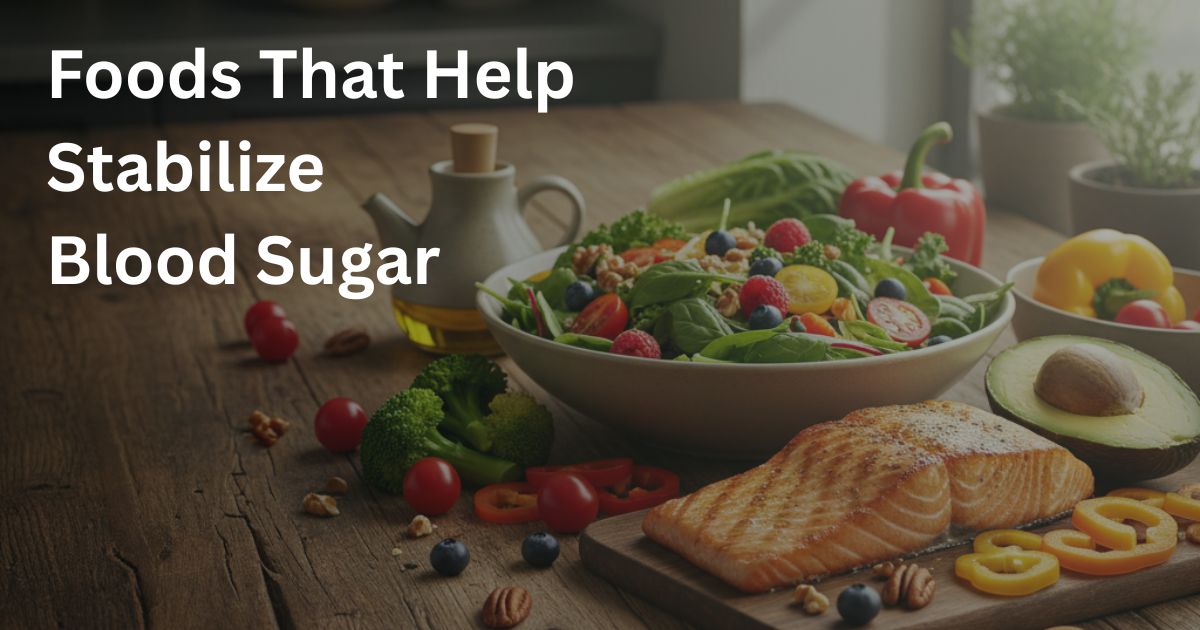
Why Blood Sugar Spikes Become More Common After 50
Blood sugar spikes can become more common after 50 as changes in muscle mass, body composition, hormones, activity levels, and insulin sensitivity begin to affect how efficiently the body handles glucose.
Insulin helps move glucose from the bloodstream into cells, where it can be used for energy. When cells become less responsive to insulin — known as insulin resistance — the body has to work harder to keep blood sugar within a healthy range.
Several factors can contribute to reduced insulin sensitivity after 50:
- Loss of muscle mass
- Increased visceral fat around the abdomen
- Lower levels of physical activity
- Poor or insufficient sleep
- Chronic stress
- Hormonal changes
- Diets high in refined carbohydrates and highly processed foods
Muscle is particularly important because it is a major site for glucose uptake. Maintaining muscle through regular activity and strength training can therefore play an important role in supporting healthy glucose metabolism as you age.
When insulin becomes less effective, blood sugar can stay elevated for longer after meals. Over time, repeated high blood sugar levels can contribute to higher HbA1c and increase the risk of prediabetes and type 2 diabetes.
The encouraging part is that these changes are not simply an unavoidable part of getting older. Choosing balanced meals, staying active, maintaining muscle, sleeping well, and managing stress can all help support better insulin sensitivity and steadier blood sugar.
What Makes Certain Foods Spike Blood Sugar Quickly?
Foods that are high in rapidly digested carbohydrates can cause blood sugar to rise quickly, particularly when they contain little fiber, protein, or fat to slow digestion.
Highly refined carbohydrates have had much of their natural fiber and structure removed, while sugary drinks require very little digestion at all. As a result, glucose can enter the bloodstream relatively quickly.
Foods and drinks that are more likely to cause a rapid blood sugar rise include:
- Sugary breakfast cereals
- White bread and other refined grain products
- Pastries, cakes, and cookies
- Soft drinks
- Fruit juice
- Candy
- Highly processed snack foods
- Large portions of refined carbohydrates such as white rice
Portion size and what you eat with these foods also matter. A carbohydrate-rich food eaten on its own can affect blood sugar differently from the same food eaten as part of a balanced meal.
For example, adding protein, fiber, vegetables, or healthy fats can slow digestion and help produce a more gradual rise in blood sugar. This is why how you build your meal can be just as important as the carbohydrate you choose.
Best Protein Foods for Stable Blood Sugar
Protein can be especially helpful for building blood-sugar-friendly meals because it adds very little glucose directly to the bloodstream and can help slow digestion when eaten with carbohydrate-rich foods.
Getting enough protein also supports muscle maintenance and appetite control, both of which become increasingly important after 50. Maintaining muscle matters because muscle tissue plays an important role in removing glucose from the bloodstream and using it for energy.
Good protein choices include:
- Eggs
- Plain Greek yogurt
- Chicken and turkey
- Fish, including salmon, sardines, and tuna
- Cottage cheese
- Tofu and tempeh
- Lentils, beans, and chickpeas
- Nuts and seeds
Try to include a source of protein with each main meal rather than eating carbohydrate-rich foods on their own.
For example:
- Toast on its own can cause a faster rise in blood sugar.
- Whole-grain toast with eggs and avocado provides protein, fiber, and healthy fats, creating a more balanced meal.
You do not need to eliminate carbohydrates to support healthy blood sugar. Pairing them with protein and other nutrient-rich foods can make a simple meal more satisfying and help reduce rapid glucose rises.
Best High-Fiber Foods to Slow Glucose Spikes
Fiber is an important part of a blood-sugar-friendly diet because it can slow digestion and glucose absorption while also helping meals feel more filling and satisfying.
Many adults do not get enough fiber, so increasing fiber-rich whole foods can be a simple way to improve the overall quality of a meal.
Good sources of fiber include:
- Lentils
- Chickpeas
- Beans
- Chia seeds
- Flaxseeds
- Non-starchy vegetables
- Berries
- Nuts and seeds
- Pears
- Apples with the skin
- Avocado
Whole grains, including oats, can also provide useful fiber, but their effect on blood sugar varies between individuals. Less processed options such as steel-cut oats generally have a smaller impact than instant oats, while portion size and meal composition also matter.
One of the easiest strategies is to combine fiber with protein and healthy fats. For example:
- Add chia seeds, nuts, and plain Greek yogurt to a small serving of oats.
- Choose whole berries instead of fruit juice.
- Add beans or lentils to salads, soups, and vegetable dishes.
- Pair whole fruit with nuts, seeds, or plain Greek yogurt rather than eating a carbohydrate-heavy snack on its own.
You don't need to add large amounts of fiber overnight. Gradually increasing fiber-rich foods — along with adequate fluids — can make the change easier to tolerate and more sustainable.
Smart Carbohydrates That Are Gentler on Blood Sugar
Carbohydrates do not need to be avoided to support healthy blood sugar. The key is to choose less processed, fiber-rich sources and pay attention to portion size and what you eat with them.
Whole-food carbohydrates generally contain more fiber and retain more of their natural structure than highly refined foods. This can slow digestion and lead to a more gradual rise in blood sugar.
Some carbohydrate choices that can work well as part of a balanced meal include:
- Lentils
- Chickpeas
- Beans
- Quinoa
- Sweet potato
- Brown or wild rice
- Whole fruit
- Dense, high-fiber whole-grain breads
Even nutritious carbohydrate foods can raise blood sugar, so portion size and meal composition still matter. Combining them with protein, non-starchy vegetables, and healthy fats can help create a more balanced glucose response.
For example:
- A smaller serving of brown rice with salmon and plenty of vegetables is generally more balanced than a large bowl of rice on its own.
- Apple slices with peanut or almond butter provide fiber, protein, and healthy fats.
- Plain Greek yogurt with berries and nuts provides a more balanced combination than a bowl of sweetened breakfast cereal.
There is no single carbohydrate that works perfectly for everyone. Your overall meal matters more than whether an individual food is labeled “good” or “bad.” Choosing minimally processed foods, keeping portions appropriate, and pairing carbohydrates with protein, fiber, and healthy fats is a practical approach to steadier blood sugar.
Foods More Likely to Cause Blood Sugar Spikes

Simple Meal Combinations for Steadier Blood Sugar
One of the simplest ways to support steadier blood sugar is to build meals around protein, fiber-rich foods, healthy fats, and an appropriate portion of carbohydrate.
This approach can slow digestion, make meals more satisfying, and help reduce the rapid rises and falls in blood sugar that can leave you feeling hungry again soon afterward.
Simple combinations include:
- Eggs with avocado, vegetables, and whole-grain toast
- Plain Greek yogurt with berries, chia seeds, and a few nuts
- Salmon with quinoa and roasted non-starchy vegetables
- Chicken salad with plenty of vegetables and an olive oil dressing
- Lentil and vegetable soup with a side salad
- Cottage cheese with berries, walnuts, and chia seeds
- Apple slices with natural peanut or almond butter
You don't need complicated recipes or special “blood sugar” foods. A simple way to build a balanced meal is to start with protein and vegetables, add a source of healthy fat, and then choose a portion of minimally processed carbohydrate if you want one.
Small changes can make familiar meals work better too. Adding eggs to toast, nuts to fruit, or chicken to a salad can turn a carbohydrate-heavy snack or meal into something more balanced and satisfying.
Best Breakfast Ideas for Steadier Blood Sugar
Breakfast can be an opportunity to start the day with protein, fiber, and healthy fats rather than a large serving of rapidly digested carbohydrates.
Many traditional breakfast foods — such as sugary cereals, toast with jam, pastries, and fruit juice — are high in refined carbohydrates and relatively low in protein and fiber. For some people, this can lead to a rapid rise in blood sugar followed by hunger or an energy dip later in the morning.
More balanced breakfast ideas include:
- Eggs with spinach, avocado, and a slice of whole-grain toast
- Plain Greek yogurt with berries, chia seeds, and nuts
- Cottage cheese with berries, walnuts, and seeds
- Scrambled eggs or tofu with vegetables
- A protein smoothie made with unsweetened ingredients, berries, and chia or flaxseeds
- Leftover salmon or chicken with vegetables
There is no rule that breakfast has to consist of traditional “breakfast foods.” Leftovers from dinner can make an excellent protein-rich breakfast if you enjoy them.
Including a good source of protein at your first meal can be particularly helpful after 50, when maintaining muscle mass becomes increasingly important. Combining that protein with fiber-rich foods and healthy fats can also help make breakfast more satisfying.
The goal isn't to create a perfect breakfast. It is simply to build a first meal that keeps you satisfied and supports steadier blood sugar rather than starting the day with mostly refined carbohydrates.
Does Walking After Meals Help Blood Sugar?
Yes. Even a short period of light activity after eating can help reduce the rise in blood sugar after a meal.
When you move, your muscles use glucose for energy. This gives your body another way to remove glucose from the bloodstream and can help reduce the amount of insulin needed to manage a meal.
Research suggests that walking soon after eating can improve post-meal glucose control, and even relatively short walks can make a difference. You don't need a strenuous workout — gentle, consistent movement is enough to be useful.
Simple ways to move after a meal include:
- Taking a 10–20 minute walk
- Walking around the house or garden
- Doing some light housework
- Gentle cycling
- Gardening
- Standing up and moving rather than remaining seated
If a 20-minute walk isn't practical, don't let that stop you. Even a few minutes of movement is better than sitting continuously after a meal, and short periods of activity can be easier to turn into a daily habit.
A simple rule to remember is: eat, then move. You don't need to exercise intensely — just give your muscles an opportunity to use some of the glucose that has entered your bloodstream.

Bottom Line
Blood sugar spikes can become more common after 50, but you don't need to completely overhaul your diet to make a difference.
Start with the basics: build meals around protein, fiber-rich foods, healthy fats, and minimally processed carbohydrates. These foods can help slow digestion, support steadier blood sugar, and keep meals satisfying for longer.
Small habits matter too. Choosing whole foods more often, being mindful of carbohydrate portions, and taking a short walk after meals can all contribute to better blood sugar control over time.
Most importantly, don't aim for perfection. A few simple changes that you can repeat consistently are far more valuable than a restrictive eating plan that is difficult to maintain.
If you're concerned about persistent high blood sugar, insulin resistance, or HbA1c levels, talk with your healthcare provider about whether further testing or individualized guidance would be appropriate.
Medical Disclaimer: This article is for educational purposes only and is not intended as medical advice. Always consult your healthcare provider before making significant changes to your diet, supplements, lifestyle, or treatment plan.
Frequently Asked Questions
What foods help prevent blood sugar spikes?
Foods that provide protein, fiber, and healthy fats can help slow digestion and reduce rapid rises in blood sugar after meals. Good choices include eggs, plain Greek yogurt, fish, chicken, lentils, beans, vegetables, nuts, seeds, and berries.
Combining these foods with minimally processed carbohydrates can often produce a steadier blood sugar response than eating refined carbohydrates on their own.
Are bananas bad for blood sugar after 50?
Bananas aren't necessarily bad for blood sugar, but they do contain carbohydrates and can raise glucose levels, particularly when very ripe or eaten on their own.
Portion size and what you eat with the banana can make a difference. Pairing a smaller banana with Greek yogurt, nuts, or peanut butter adds protein, fiber, or healthy fat and can help create a more balanced snack.
Is oatmeal good for blood sugar?
It depends on the type of oats, portion size, and your individual glucose response. Steel-cut or traditional rolled oats are generally digested more slowly than highly processed instant oats, but oatmeal can still raise blood sugar in some people.
Adding protein, fiber, and healthy fats — such as plain Greek yogurt, chia seeds, nuts, or seeds — can make the meal more balanced. If you monitor your blood sugar, your own response can help you determine whether oats work well for you.
Does protein help reduce blood sugar spikes?
Protein can help slow digestion and make meals more satisfying. When protein is eaten alongside carbohydrates, it can help reduce how quickly glucose enters the bloodstream compared with eating rapidly digested carbohydrates alone.
Including a source of protein at each meal can therefore be a simple way to support steadier blood sugar and appetite control.
Is walking after meals good for blood sugar?
Yes. Even a short period of light activity after eating can help your muscles use glucose for energy and reduce the rise in blood sugar after a meal.
You don't need an intense workout. A 10- to 20-minute walk after a meal can be a practical habit, and even shorter periods of movement can be worthwhile.