
Breakfast is often called the most important meal of the day, but after age 50, what you eat can matter more than simply eating breakfast itself.
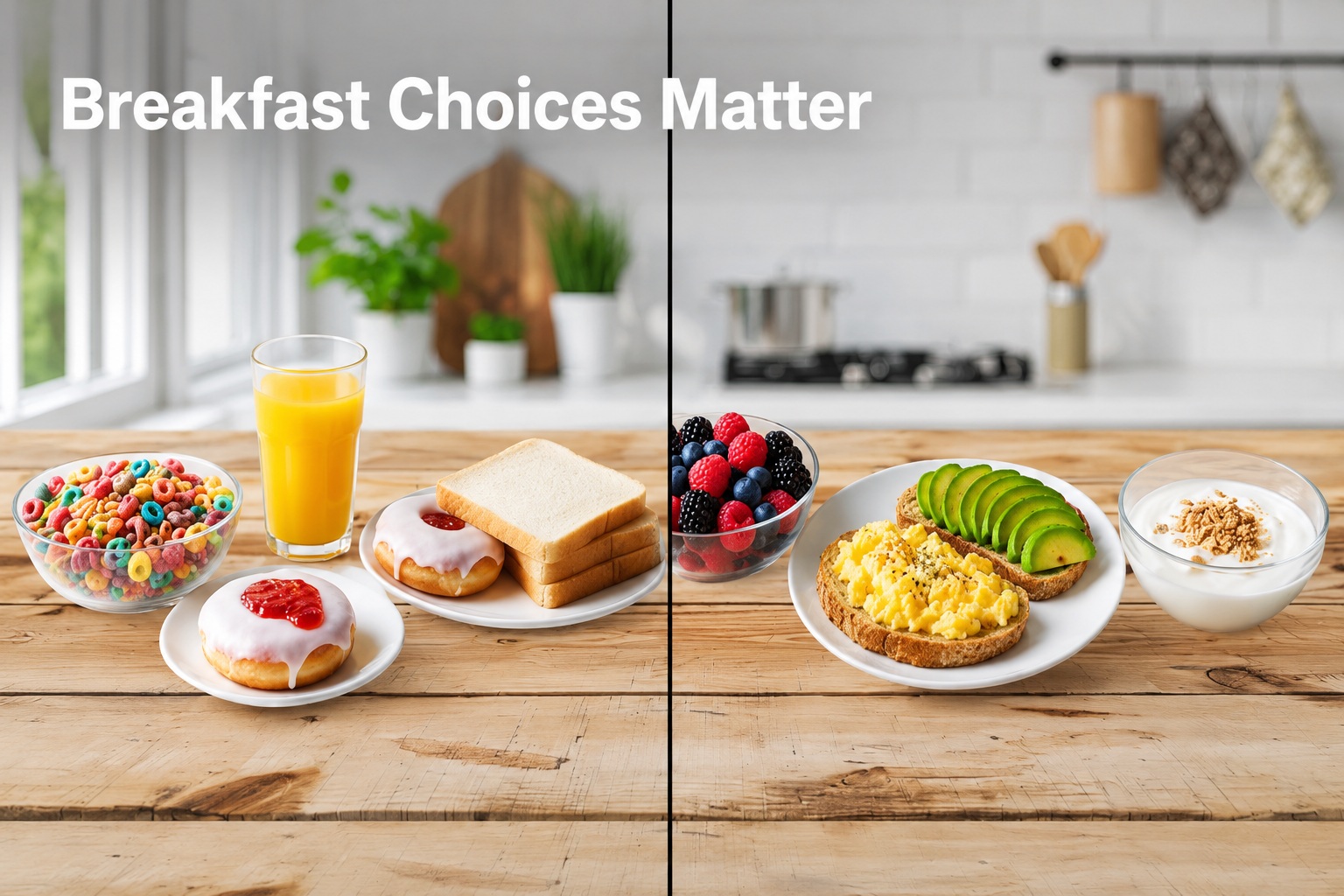
Many common breakfast foods — including sugary cereals, pastries, white toast, and fruit juice — are high in rapidly digested carbohydrates. Eating these foods on their own can cause blood sugar to rise quickly, sometimes followed by an energy slump, increased hunger, and greater glucose swings later in the day.
If you are dealing with insulin resistance, elevated HbA1c, or high morning blood sugar, a more balanced breakfast can help. Combining protein, fiber, healthy fats, and minimally processed carbohydrates can slow digestion, provide steadier energy, and support healthier blood sugar levels.
The good news is that a blood sugar-friendly breakfast does not need to be complicated. A few simple changes to what you put on your plate can make breakfast more satisfying while supporting better blood sugar control throughout the day.
I particularly like that final sentence for Article 27. It takes us naturally from the problem → why it matters → what to eat → practical solutions, which is exactly where the rest of the article is heading.
Quick Summary
- A balanced breakfast can help support steadier blood sugar and energy levels throughout the morning.
- Build breakfast around protein, fiber, and healthy fats, with minimally processed carbohydrates when included.
- Eggs, Greek yogurt, cottage cheese, nuts, seeds, berries, vegetables, and oats can all be good breakfast choices.
- Limit breakfasts dominated by refined carbohydrates and added sugars, such as sugary cereals, pastries, and sweet drinks.
- Keep it simple: a few well-chosen foods can create a satisfying, blood sugar-friendly breakfast.
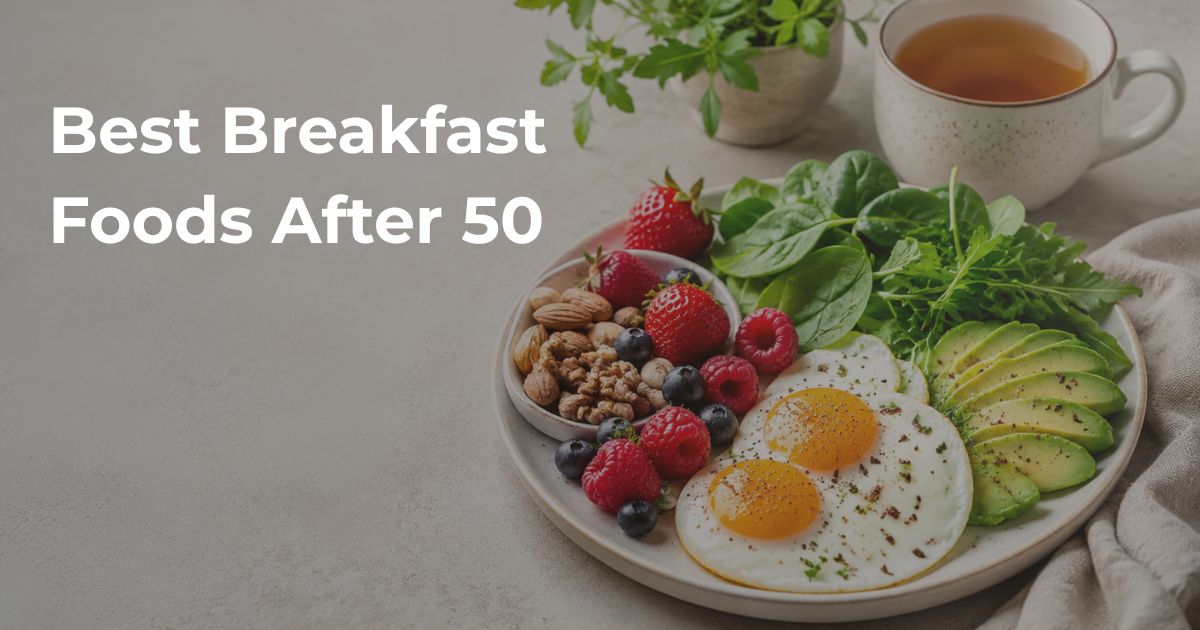
Why Breakfast Matters for Blood Sugar After 50
During the night, your body continues to use energy while you sleep. As morning approaches, hormones such as cortisol naturally rise, helping your body prepare to wake up and start the day.
For some people — particularly those with insulin resistance — these hormonal changes can encourage the liver to release more glucose into the bloodstream. This can contribute to higher morning blood sugar even before you eat anything.
What you eat next can influence how your blood sugar responds. A breakfast dominated by sugary or highly refined carbohydrates can be digested quickly, causing glucose to rise rapidly and sometimes leaving you hungry or low in energy soon afterward.
When you do eat breakfast, building it around protein, fiber, and healthy fats can help:
- Slow digestion and glucose absorption
- Increase fullness and satisfaction
- Support steadier energy levels
- Reduce sharp rises and falls in blood sugar
- Make it easier to maintain balanced eating habits later in the day
The goal is not a perfect breakfast. It is simply to choose foods that give your body a steadier start to the day.
What Makes a Blood Sugar-Friendly Breakfast?
A balanced breakfast does not require complicated recipes or special foods. A simple approach is to combine protein, fiber, and healthy fats, then choose carbohydrates that are higher in fiber and less refined.
Protein
Protein can help you feel satisfied for longer and, when eaten as part of a balanced meal, can help reduce how quickly blood sugar rises after eating.
Good breakfast choices include:
- Eggs
- Greek yogurt
- Cottage cheese
- Tofu
- Protein powder
- Nuts and seeds
Try making protein the starting point of your breakfast, rather than relying mainly on toast, cereal, or other carbohydrate-rich foods.
Fiber
Fiber slows digestion and can help reduce rapid rises in blood sugar while also supporting digestive and metabolic health.
Good sources include:
- Chia seeds
- Oats
- Berries
- Vegetables
- Nuts and seeds
- Whole-grain or high-fiber bread
Even small additions — such as berries with Greek yogurt or chia seeds stirred into oats — can increase the fiber content of your breakfast.
Healthy Fats
Healthy fats add flavor and satisfaction to breakfast and can help create a more balanced meal when combined with protein and fiber-rich foods.
Good choices include:
- Avocado
- Nuts
- Seeds
- Olive oil
- Natural nut butters
You do not need large amounts. A small handful of nuts, a spoonful of nut butter, or some sliced avocado can be enough.
Choose Carbohydrates Carefully
Carbohydrates do not need to be eliminated. The type of carbohydrate — and what you eat with it — matters.
Highly refined carbohydrates and foods high in added sugar are digested quickly and can cause blood glucose to rise more rapidly, particularly when eaten on their own.
Foods to limit include:
- Sugary breakfast cereals
- White bread and toast
- Pastries
- Sweetened yogurts
- Fruit juice and other sugary drinks
Instead, choose higher-fiber options such as oats, berries, whole-grain bread, or other minimally processed foods, and combine them with protein or healthy fats for a more balanced breakfast.
A simple formula to remember: protein + fiber + healthy fat = a more blood sugar-friendly breakfast.
7 Best Breakfast Ideas for Stable Blood Sugar
You do not need an elaborate breakfast to support steadier blood sugar. These simple combinations bring together protein, fiber, and healthy fats to help create a more balanced start to the day.
- Eggs with vegetables — Pair scrambled, boiled, or poached eggs with sautéed spinach, mushrooms, tomatoes, or other non-starchy vegetables. Add avocado for extra healthy fats.
- Greek yogurt with berries and nuts — Choose plain, unsweetened Greek yogurt and top with raspberries, blueberries, or strawberries plus a small handful of walnuts or almonds.
- Overnight oats with chia seeds — Soak rolled oats overnight in unsweetened milk, then add chia seeds, berries, and nuts. For extra protein, stir in Greek yogurt or protein powder.
- Cottage cheese bowl with nuts — Combine cottage cheese with walnuts or almonds, a sprinkle of flaxseeds, and berries or sliced cucumber for a sweet or savory option.
- Green smoothie with protein and spinach — Blend unsweetened milk, spinach, protein powder, a small handful of berries, and a spoonful of natural almond or peanut butter.
- Avocado with eggs — Pair sliced avocado with boiled, poached, or scrambled eggs. Add tomatoes, leafy greens, or seeds for extra fiber and nutrients.
- Tofu scramble with vegetables — Cook crumbled tofu with spinach, mushrooms, tomatoes, and peppers. Add herbs and spices for a flavorful plant-based breakfast.
The key is the combination. Rather than focusing on one “perfect” breakfast food, aim to include a source of protein along with fiber-rich foods and a little healthy fat.
Breakfast Foods That May Cause Blood Sugar Spikes
| Food | Why It Can Raise Blood Sugar Quickly |
|---|---|
| Sugary cereals | Often high in added sugar and refined grains, with little protein or fiber |
| White toast | Made from refined flour and typically low in fiber |
| Sweet pastries | Often combine refined flour with added sugar |
| Fruit juice | Concentrated source of natural sugar with much less fiber than whole fruit |
| Flavoured yogurts | Can contain significant added sugar, depending on the product |
Bottom Line
Supporting steadier blood sugar after 50 does not require a complicated breakfast or a long list of special foods. Simple, balanced choices made consistently can make a meaningful difference.
When you eat breakfast, aim to build your meal around protein, fiber, and healthy fats, while choosing higher-fiber, minimally processed carbohydrates more often. Eggs with vegetables, Greek yogurt with berries and nuts, or oats with chia seeds and added protein are all simple ways to put this into practice.
Most importantly, choose breakfasts that fit your tastes, appetite, and daily routine. Start with one or two changes you can maintain, notice how your body responds, and build from there.
A better breakfast doesn't have to be perfect — it just needs to be balanced, satisfying, and sustainable.
Medical Disclaimer: This article is for educational purposes only and is not intended as medical advice. Always consult your qualified healthcare provider before making significant changes to your diet, supplements, lifestyle, or treatment plan.
Frequently Asked Questions
Is it okay to skip breakfast if I have high blood sugar in the morning?
For some people, skipping breakfast works well, while others find that eating a balanced morning meal helps with hunger, energy, and blood sugar management. If you do eat breakfast, focus on protein, fiber, and healthy fats rather than starting the day with sugary or highly refined carbohydrates. If you take glucose-lowering medication, discuss significant changes to meal timing with your healthcare provider.
Are oats good or bad for blood sugar?
Oats can be a good breakfast choice, especially when you choose plain rolled or steel-cut oats rather than sweetened instant varieties. Adding chia seeds, nuts, Greek yogurt, or protein powder can increase the fiber, protein, and healthy fat content and help create a more balanced meal.
What is the best protein to add to breakfast for blood sugar control?
There isn't one best choice. Eggs, plain Greek yogurt, cottage cheese, tofu, nuts, seeds, and unsweetened protein powder can all add protein to breakfast. Choose an option you enjoy and combine it with fiber-rich foods such as vegetables, berries, or oats for a more balanced meal.
Can I have fruit for breakfast?
Yes. Whole fruit can be part of a blood sugar-friendly breakfast. Berries are particularly useful because they provide fiber and nutrients with a relatively modest carbohydrate content. Pairing fruit with protein or healthy fats, such as Greek yogurt, cottage cheese, nuts, or seeds, can make the meal more filling and balanced.
References
Continue Learning
Why Is My Blood Sugar High in the Morning After 50?
Understand why morning glucose can rise and what you can do about it.
What Causes Insulin Resistance After 50?
Discover the common factors that can reduce insulin sensitivity as you age.
How to Lower HbA1c Naturally After 50
Explore practical lifestyle strategies that can support healthier HbA1c levels.