
Have you ever finished what seemed like a healthy breakfast, only to feel hungry again an hour later? Or perhaps you notice an afternoon energy slump, sugar cravings, or difficulty concentrating—even though you're making good food choices. If this sounds familiar, blood sugar spikes after meals may be playing a bigger role than you realize.
After the age of 50, your body naturally changes. Cells often become less responsive to insulin, muscle mass gradually declines, and hormonal shifts can make it harder to regulate blood sugar. As a result, foods that once kept you satisfied may now cause larger swings in blood glucose, leaving you feeling tired, hungry, or frustrated.
The encouraging news is that blood sugar spikes are not an inevitable part of aging. By understanding why they happen and making a few practical adjustments to how you eat, move, and structure your day, you can help keep your blood sugar more stable and support your long-term metabolic health.
Healthy eating isn't just about choosing the right foods—it's about helping your body use those foods more effectively. Once you understand what causes blood sugar spikes after 50, you'll be in a much better position to reduce them naturally and enjoy steadier energy throughout the day.
Quick Summary
In this article, you'll learn:
- Why blood sugar spikes after meals become more common after the age of 50—even if you're eating healthy foods.
- How changes in insulin sensitivity, muscle mass, hormones, and metabolism affect the way your body processes glucose.
- The hidden everyday habits that may be contributing to blood sugar spikes without you realizing it.
- Simple, practical strategies to help reduce blood sugar spikes naturally and support steadier energy throughout the day.
- How small, consistent changes can improve your long-term metabolic health.

What Is a Blood Sugar Spike?
A blood sugar spike is a rapid rise in the amount of glucose (sugar) in your bloodstream after eating. While this is a normal response—especially after meals containing carbohydrates—large or frequent spikes can place extra strain on your body's ability to keep blood sugar under control.
Normally, your pancreas releases insulin, a hormone that helps move glucose from your bloodstream into your cells, where it can be used for energy. After the age of 50, however, this process often becomes less efficient. As a result, blood sugar may stay elevated for longer before returning to a healthy level.
Occasional blood sugar spikes are a normal part of life. The problem occurs when they happen frequently or become more severe. Over time, repeated spikes can contribute to insulin resistance, making it increasingly difficult for your body to regulate blood sugar effectively.
The goal isn't to avoid carbohydrates altogether—it's to help your body process them more steadily and efficiently.
How to Reduce Blood Sugar Spikes Naturally
The good news is that you don't need a perfect diet to reduce blood sugar spikes after meals. Small, consistent changes to how you eat and move can make a meaningful difference over time. Here are some of the most effective strategies.
Combine Carbohydrates with Protein, Healthy Fats, and Fiber
Eating carbohydrates on their own can cause blood sugar to rise quickly because they are digested and absorbed more rapidly. Pairing them with protein, healthy fats, and fiber slows digestion, allowing glucose to enter your bloodstream more gradually and helping you feel fuller for longer.
For example, instead of eating fruit on its own, try adding Greek yogurt or a handful of nuts. If you're having toast, include eggs or avocado to create a more balanced meal.
Take a Short Walk After Meals
One of the simplest ways to reduce blood sugar spikes is to move your body after eating. Even a 10–15 minute walk encourages your muscles to use glucose for energy, helping lower blood sugar naturally without intense exercise.
You don't need to go to the gym. A gentle walk around your neighborhood, through a shopping center, or even around your home after dinner can make a noticeable difference.
Improve Your Meal Timing
Constant snacking gives your body little opportunity to return blood sugar and insulin levels to their normal range. Allowing a little more time between meals may help improve insulin sensitivity and reduce frequent blood sugar fluctuations.
This doesn't mean you should skip meals if you're genuinely hungry. Instead, aim for balanced meals that keep you satisfied for longer and reduce the urge to snack constantly.
Support Your Body with Key Nutrients
Several nutrients play an important role in healthy blood sugar regulation. For example, magnesium supports insulin function, while adequate protein and fiber help maintain more stable blood glucose levels throughout the day.
Although supplements may be helpful for some people, focusing on a varied, nutrient-rich diet should always be the foundation. If you're considering supplements, it's a good idea to discuss them with your healthcare provider.
Continue Learning: The Missing Link in Insulin Resistance After 50: Why Magnesium Matters More Than You Think.
Why Blood Sugar Control Gets Worse After 50
If you've noticed that your blood sugar seems less stable than it was years ago, you're not imagining it. Several natural changes that occur with aging can make it harder for your body to regulate glucose efficiently—even if your eating habits haven't changed.
Understanding these changes can help you make sense of what's happening and explain why the simple strategies you've just learned become even more important after the age of 50.
Reduced Insulin Sensitivity
As we age, our cells often become less responsive to insulin—the hormone that helps move glucose from your bloodstream into your cells for energy. This means glucose remains in your bloodstream for longer after eating, making blood sugar spikes after meals more likely.
The good news is that regular physical activity, maintaining muscle mass, and eating balanced meals can all help improve insulin sensitivity over time.
Continue Learning: Why Insulin Resistance Becomes More Common After 50 (And What You Can Do About It).
Loss of Muscle Mass
Beginning in our 30s, we naturally lose small amounts of muscle each decade unless we actively maintain it through strength training and adequate protein intake. Because muscle acts like a storage site for glucose, having less muscle means your body has fewer places to remove glucose from the bloodstream after meals.
This is one reason why preserving muscle becomes increasingly important for healthy blood sugar control as we get older.
Hormonal Changes
Hormonal changes also affect the way your body regulates blood sugar. For women, the transition through menopause often reduces estrogen levels, which can contribute to increased insulin resistance. Men also experience gradual hormonal changes that can influence metabolism and body composition.
While these changes are a normal part of aging, healthy lifestyle habits can help reduce their impact on blood sugar control.
A Slower Metabolism
Metabolism naturally slows with age, partly because we tend to lose muscle and become less physically active. A slower metabolism means your body may use glucose less efficiently, increasing the likelihood of higher blood sugar levels after meals.
The encouraging news is that metabolism isn't fixed. Staying physically active, building muscle, eating enough protein, and getting adequate sleep can all help support a healthier metabolism throughout life.
Hidden Causes of Blood Sugar Spikes
(Even If You Think You're Eating Healthy)
Sometimes blood sugar spikes aren't caused by unhealthy foods—they're caused by how, when, and under what conditions you eat them. Even healthy habits can unintentionally lead to higher blood sugar levels if a few important factors are overlooked.
Eating Carbohydrates on Their Own
Healthy carbohydrates such as fruit, oatmeal, or wholegrain toast are nutritious choices, but eating them without protein, healthy fats, or fiber may cause blood sugar to rise more quickly. Pairing carbohydrates with foods like eggs, Greek yogurt, nuts, seeds, or avocado helps slow digestion and promotes a steadier release of glucose into the bloodstream.
Eating Too Frequently
Frequent snacking may keep insulin levels elevated throughout the day, giving your body less opportunity to return to its normal baseline between meals. While everyone has different nutritional needs, eating balanced meals that keep you satisfied for longer may help reduce unnecessary blood sugar fluctuations.
Poor Sleep
A single night of poor sleep can affect how well your body responds to insulin the following day. Over time, ongoing sleep deprivation may increase insulin resistance, making blood sugar spikes more likely—even if your diet hasn't changed.
Prioritizing good sleep is one of the simplest ways to support both blood sugar control and overall health.
Chronic Stress
When you're under stress, your body releases hormones such as cortisol, which prepare you for a "fight or flight" response. One effect of cortisol is to increase the amount of glucose released into your bloodstream so your body has readily available energy.
Occasional stress is a normal part of life, but long-term stress may contribute to higher blood sugar levels. Simple habits such as regular walking, deep breathing, spending time outdoors, or practicing relaxation techniques can help reduce stress and support healthier glucose regulation.
Signs You May Be Experiencing Blood Sugar Spikes
Blood sugar spikes don't always cause obvious symptoms. Many people assume they're simply tired or getting older when, in fact, fluctuating blood sugar may be contributing to how they feel.
Some common signs include:
- Feeling tired or sleepy after meals, even after eating what seems like a healthy lunch.
- Frequent sugar or carbohydrate cravings, especially in the afternoon.
- Brain fog or difficulty concentrating during the day.
- Gradual weight gain around the waist, which is often linked with insulin resistance.
- Feeling hungry again soon after eating, despite having a full meal.
If several of these symptoms sound familiar, it may be worth paying closer attention to how your meals affect your energy levels and discussing any ongoing concerns with your healthcare provider.
Continue Learning: How to Tell If You Have Insulin Resistance (Early Signs Most People Miss).
The Bottom Line
Blood sugar spikes after 50 are common, but they don't have to become your new normal. By understanding why they happen and making a few simple changes to how you eat, move, sleep, and care for your body, you can support steadier blood sugar, more consistent energy, and better long-term metabolic health.
Remember, the goal isn't to avoid carbohydrates altogether—it's to help your body process them more steadily and efficiently. Small, sustainable habits practiced consistently can make a meaningful difference over time.
Medical Disclaimer: This article is for educational purposes only and is not intended as medical advice. Always consult your healthcare provider before making significant changes to your diet, supplements, lifestyle, or treatment plan.

Frequently Asked Questions
Why do my blood sugar levels spike even when I eat healthy foods?
Healthy foods can still cause blood sugar spikes if they contain carbohydrates that are eaten on their own or in large amounts. After the age of 50, natural changes in insulin sensitivity, muscle mass, hormones, and metabolism can also make it harder for your body to regulate glucose efficiently. Pairing carbohydrates with protein, healthy fats, and fiber can help reduce these spikes.
Is it normal for blood sugar to rise after eating?
Yes. A temporary rise in blood sugar after meals is a normal part of digestion. The concern is when blood sugar rises too high, remains elevated for longer than it should, or happens frequently. Repeated blood sugar spikes may contribute to insulin resistance over time.
What foods help reduce blood sugar spikes?
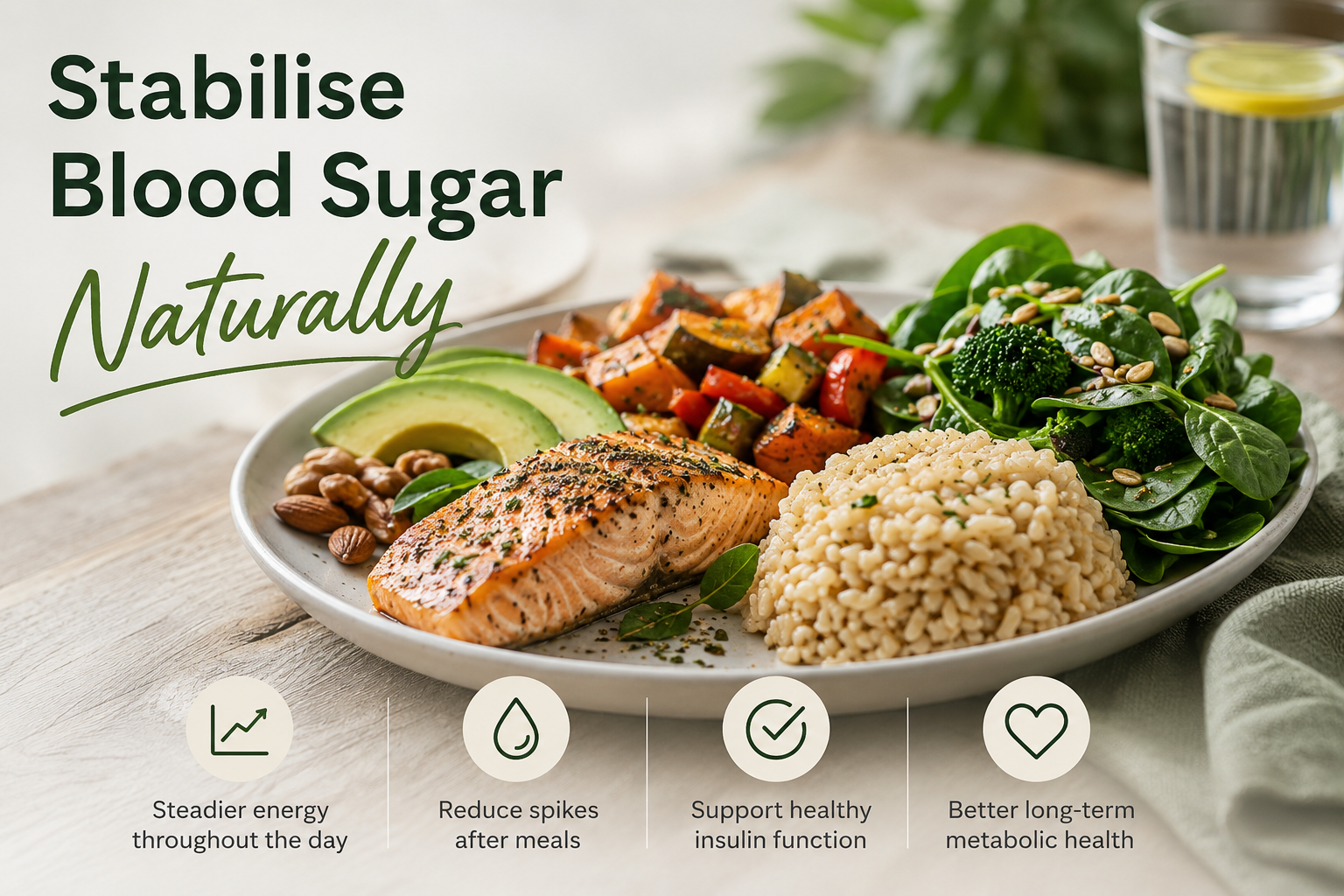
Balanced meals that combine lean protein, healthy fats, fiber-rich vegetables, and minimally processed carbohydrates generally help keep blood sugar more stable. For example, grilled salmon with vegetables and brown rice or Greek yogurt with berries and nuts are better choices than eating carbohydrates on their own.
Does walking after meals really help lower blood sugar?
Yes. Even a gentle 10–15 minute walk after eating encourages your muscles to use glucose for energy, helping reduce blood sugar spikes naturally. Consistency is more important than intensity, so even light movement can make a difference.
Can poor sleep affect blood sugar levels?
Yes. Poor sleep can reduce insulin sensitivity and make blood sugar harder to regulate the following day. Improving your sleep habits is an important part of supporting healthy blood sugar and overall metabolic health.
Can blood sugar spikes be prevented completely?
Not entirely. Some rise in blood sugar after eating is a normal response. The goal isn't to eliminate blood sugar spikes altogether but to reduce large or frequent spikes through balanced meals, regular physical activity, good sleep, stress management, and other healthy lifestyle habits.
References
Centers for Disease Control and Prevention (CDC). Diabetes Risk Factors.
Harvard Health Publishing. Insulin Resistance in Women and Why It Rises After 50.
American Diabetes Association. Blood Glucose and Insulin.
Mayo Clinic. Prediabetes – Symptoms and Causes.
National Institute on Aging. Exercise and Physical Activity for Older Adults.
Continue Learning
Why Insulin Resistance Becomes More Common After 50 (And What You Can Do About It)
Discover why insulin resistance becomes more common with age and the practical lifestyle strategies that can help improve insulin sensitivity.
How to Tell If You Have Insulin Resistance (Early Signs Most People Miss)
Learn the early warning signs of insulin resistance and why recognizing them sooner may help protect your long-term metabolic health.
The Missing Link in Insulin Resistance After 50: Why Magnesium Matters More Than You Think
Find out why magnesium plays an important role in healthy blood sugar regulation and how many adults may not be getting enough.