
Perhaps you've noticed that losing weight has become harder, your energy isn't what it used to be, or your blood sugar levels are creeping higher. These changes are often blamed on aging, but one of the most common underlying causes is insulin resistance.
The good news is that insulin resistance is not permanent. In many cases, healthy lifestyle changes can improve your body's response to insulin, helping to stabilize blood sugar, reduce belly fat, and lower the risk of developing type 2 diabetes.
In this article, you'll learn what causes insulin resistance after 50, why it becomes more common with age, and the practical, evidence-based strategies that can help you reverse it naturally.
Quick Summary
- Insulin resistance becomes more common after 50 because of hormonal changes, reduced muscle mass, and lower physical activity.
- Healthy eating, regular exercise, strength training, quality sleep, stress management, and maintaining a healthy weight can significantly improve insulin sensitivity.
- Even small lifestyle changes practiced consistently can lower blood sugar levels and reduce the risk of developing type 2 diabetes.
- Many people begin noticing improvements within weeks to months when healthy habits become part of their daily routine.
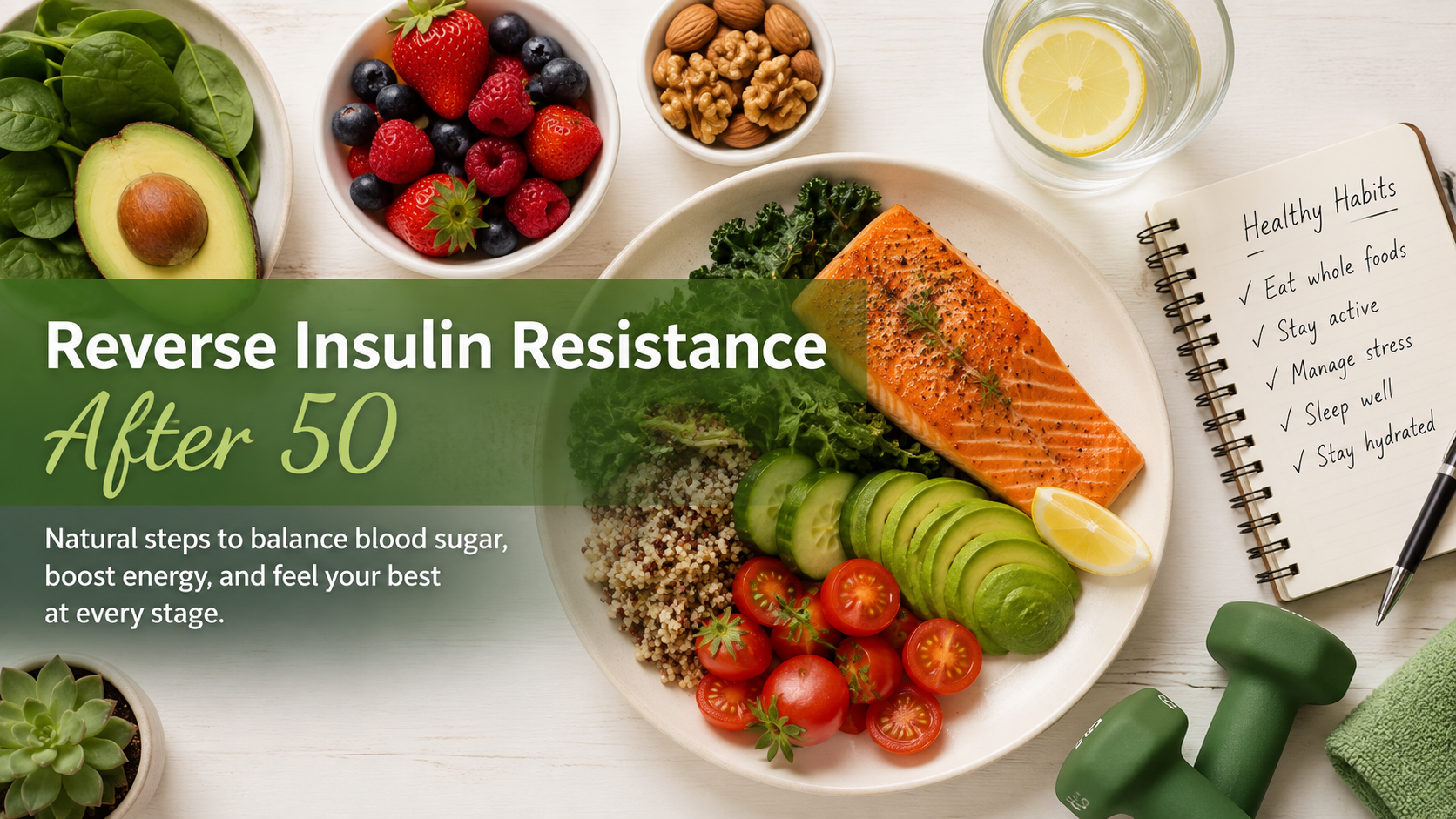
Why Insulin Resistance Happens After 50
As we age, several changes occur in the body that make insulin resistance more likely:
- Hormonal changes can affect how your body regulates blood sugar
- Loss of muscle mass reduces your ability to store glucose effectively
- Increased visceral fat (especially around the abdomen) interferes with insulin function
- Reduced physical activity can further decrease insulin sensitivity
These factors often work together, making blood sugar regulation more difficult over time.
To learn more, see our article about why insulin resisttance becomes more common after after, 50.
Can Insulin Resistance Be Reversed?
The simple answer is yes—for many people, it can be improved significantly.
If you've recently been told you have insulin resistance, it's natural to wonder whether you're facing a lifelong problem. Fortunately, insulin resistance is largely influenced by lifestyle, which means your daily habits can make a real difference.
Improving insulin sensitivity doesn't happen overnight, but many people begin seeing positive changes within a few weeks. Better blood sugar control, increased energy, reduced cravings, and gradual weight loss are all signs that your body is becoming more responsive to insulin.
The goal isn't perfection. It's building healthy habits that you can maintain for years—not just a few weeks.
5 Proven Ways to Reverse Insulin Resistance Naturally
1. Eat Fewer Refined Carbohydrates and Added Sugars
One of the fastest ways to reduce insulin demand is to cut back on foods that cause rapid spikes in blood sugar. Highly processed carbohydrates and sugary foods require your body to release large amounts of insulin, making insulin resistance worse over time.
Instead of eliminating carbohydrates completely, choose foods that digest more slowly and provide lasting energy.
Good choices include:
- Vegetables
- Legumes
- Whole grains
- Fresh fruit
- Nuts and seeds
Limiting sugary drinks, pastries, sweets, and highly processed snack foods can make a noticeable difference to your blood sugar control.
2. Prioritize Protein and Fiber at Every Meal
Protein and fiber are two of the most effective nutrients for improving blood sugar regulation.
Protein helps preserve muscle mass, which becomes increasingly important after 50 because muscle tissue plays a major role in using glucose efficiently. Fiber slows digestion, helping prevent large blood sugar spikes after meals while keeping you feeling full for longer.
Aim to include a source of lean protein and high-fiber foods with most meals.
Examples include:
- Fish and poultry
- Eggs
- Greek yogurt
- Lentils and beans
- Vegetables
- Nuts and seeds
3. Build Muscle with Strength Training
Strength training is one of the most powerful ways to improve insulin sensitivity because active muscle tissue removes glucose from the bloodstream more efficiently.
You don't need to spend hours in the gym. Even two or three sessions each week can help:
- Increase muscle mass
- Improve insulin sensitivity
- Support healthy weight management
- Reduce visceral (abdominal) fat
Resistance bands, light dumbbells, bodyweight exercises, or weight machines are all excellent options.
4. Consider Intermittent Fasting—If It Suits You
Intermittent fasting may help lower insulin levels by giving your body longer periods between meals. Some research suggests it can improve insulin sensitivity for certain people.
However, fasting isn't essential, and it isn't suitable for everyone.
If you decide to try it, begin gradually. Many people over 50 find that a simple 12-hour overnight fast is an easy and sustainable place to start. If it feels comfortable, you can slowly extend the fasting window under appropriate medical guidance if needed.
5. Make Sleep and Stress Management Priorities
Healthy eating and exercise are important, but they're only part of the picture.
Poor sleep and ongoing stress increase cortisol levels, which can make blood sugar harder to control and reduce insulin sensitivity.
Simple daily habits can help:
- Aim for 7–9 hours of quality sleep.
- Maintain a consistent bedtime.
- Spend time outdoors.
- Practice relaxation techniques such as deep breathing or meditation.
- Stay physically active throughout the day.
Looking after your sleep and stress levels supports not only better blood sugar control but also your overall health and well-being.
How Long Does It Take to See Results?
Every person's journey is different, but many people notice improvements in energy levels, blood sugar readings, and appetite within a few weeks of making consistent lifestyle changes. More significant improvements in weight, waist circumference, and insulin sensitivity often take several months.
The key is consistency rather than speed. Small changes repeated every day are far more effective than trying to change everything at once.
Remember that reversing insulin resistance is a long-term investment in your health. Each healthy meal, walk, strength-training session, and good night's sleep moves you one step closer to better metabolic health.
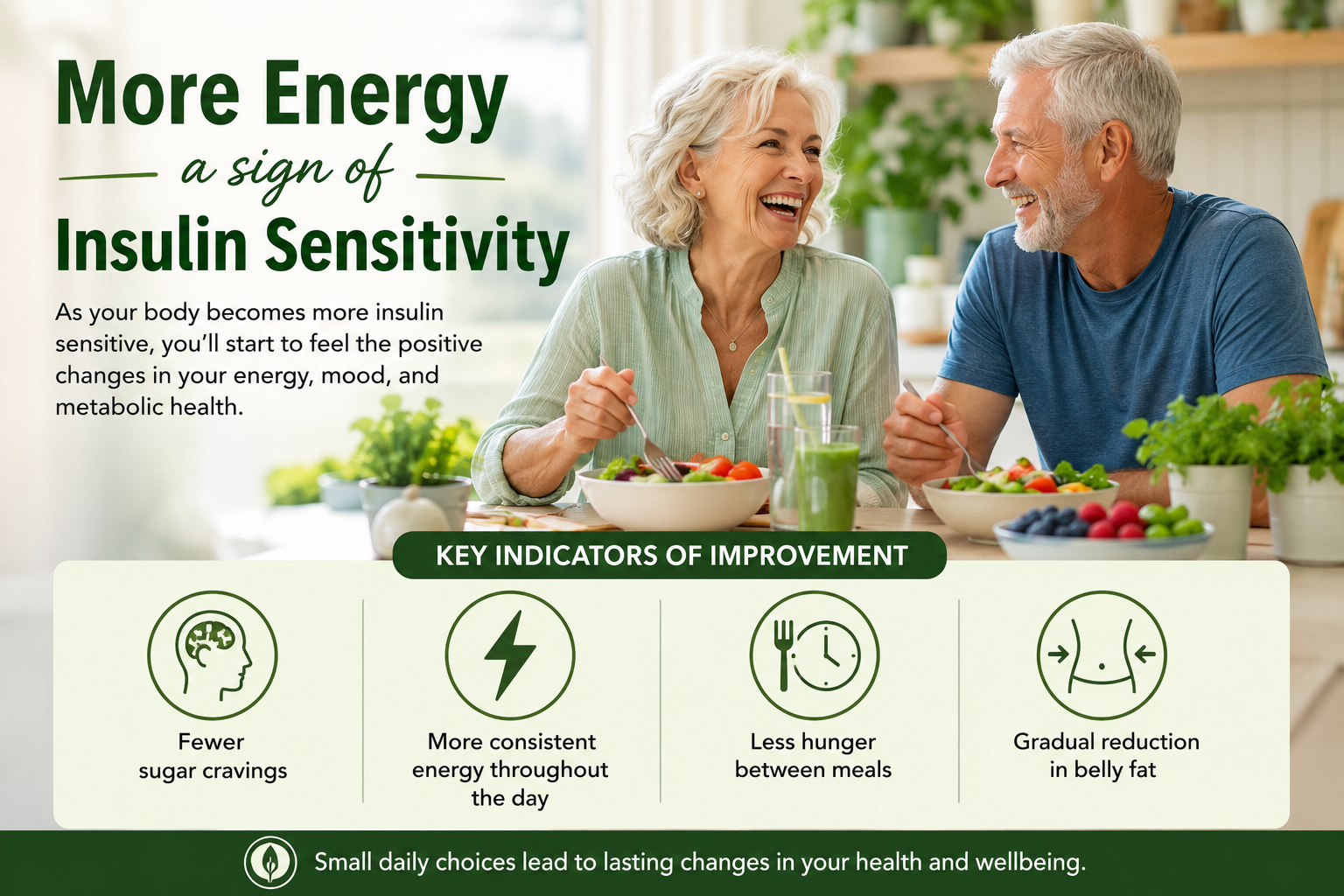
Key Indicators of Improvement
As your body becomes more sensitive to insulin, you may begin to notice positive changes that go beyond your blood sugar levels. While everyone's progress is different, many people experience improvements such as:
- Fewer sugar cravings, making it easier to choose healthy foods.
- More consistent energy throughout the day, with fewer afternoon slumps.
- Less hunger between meals, helping you feel satisfied for longer.
- Gradual reduction in belly fat, particularly when combined with regular exercise and healthy eating.
These changes are encouraging signs that your body is responding to healthier lifestyle habits and that your metabolic health is improving.
Continue Learning: The Best Daily Routine to Improve Insulin Resistance After 50
The Bottom Line
Reversing insulin resistance after 50 isn't about following a perfect diet or making drastic lifestyle changes overnight. It's about making small, sustainable choices that gradually improve your body's ability to use insulin effectively.
Eating nutritious foods, staying physically active, building muscle, getting enough sleep, and managing stress all work together to support better blood sugar control and long-term metabolic health.
Remember, progress doesn't happen in a straight line. Every healthy meal, every walk, every strength-training session, and every good night's sleep is a step in the right direction.
With consistency and patience, those small daily habits can lead to meaningful improvements in your health and well-being.
Medical Disclaimer: This article is for educational purposes only and is not intended as medical advice. Always consult your healthcare provider before making significant changes to your diet, supplements, lifestyle, or treatment plan.
Frequently Asked Questions
Can insulin resistance really be reversed after 50?
In many cases, yes. Insulin resistance often improves with healthy lifestyle changes such as eating a balanced diet, exercising regularly, building muscle, managing stress, and getting enough sleep. While results vary from person to person, many people see improvements in blood sugar control and insulin sensitivity over time.
How long does it take to improve insulin resistance?
Some people notice improvements in their energy levels and blood sugar within a few weeks, while more significant changes in insulin sensitivity and weight may take several months. Consistency with healthy habits is more important than trying to achieve rapid results.
What is the best exercise for reversing insulin resistance?
A combination of aerobic exercise, such as brisk walking, and strength training is one of the most effective approaches. Building muscle helps your body use glucose more efficiently, while regular physical activity improves insulin sensitivity and supports healthy weight management.
Can losing weight improve insulin resistance?
Yes. Even a modest weight loss of 5–10% of your body weight can significantly improve insulin sensitivity in many people, particularly when combined with healthy eating and regular physical activity.
References
American Diabetes Association. Standards of Care in Diabetes.
Mayo Clinic. Prediabetes – Symptoms and Causes.
Harvard Health Publishing. Insulin Resistance in Women and Why It Rises After 50
Cleveland Clinic. Insulin Resistance.
National Institute on Aging. Exercise and Physical Activity.
Continue Learning
Why Insulin Resistance Becomes More Common After 50 (And What You Can Do About It)
Learn why insulin resistance becomes more common with age and the practical steps you can take to reduce your risk.
How to Tell If You Have Insulin Resistance (Early Signs Most People Miss)
Discover the early warning signs of insulin resistance and why many people don't recognize them until blood sugar problems develop.
The Best Daily Routine to Improve Insulin Resistance After 50
Explore a simple daily routine that combines nutrition, movement, sleep, and healthy habits to support better insulin sensitivity.