
Introduction
If you’ve noticed that weight around your middle has become harder to lose after 50, you’re not imagining it.
Many people find that even when they eat well and stay active, belly fat becomes more stubborn with age.
Understanding why this happens is the first step toward changing it.

Why Belly Fat Increases After 50
Several changes occur in the body as we age:
- Hormonal shifts
- Reduced muscle mass
- Slower metabolism
These factors all play a role—but they don’t tell the whole story.
The Hidden Driver: Insulin Resistance
One of the most overlooked causes of stubborn belly fat is insulin resistance.
When your body becomes less sensitive to insulin, it produces more of it.
High insulin levels signal your body to store fat—especially around the abdomen.
👉 This is why belly fat can increase even when your habits haven’t changed significantly.
Why Belly Fat Is Different
Not all fat behaves the same way.
Abdominal fat (often called visceral fat) is:
- More metabolically active
- More closely linked to insulin resistance
- Associated with higher health risks
👉 This makes it both more stubborn—and more important to address.
Signs Your Belly Fat May Be Linked to Insulin Resistance
You may notice:
- Weight gain concentrated around your waist
- Difficulty losing fat despite effort
- Cravings for sugar or carbohydrates
- Feeling tired after meals
👉 These are common signs of underlying insulin resistance.
Click here to learn how How to tell If You Have Insulin Resistance
What You Can Do About It
The good news is that this type of weight gain is often reversible.
1. Focus on Blood Sugar Balance
- Reduce refined carbohydrates
- Prioritise whole foods
- Include protein and healthy fats
To learn about the best blood tests for insulin resistance click here.
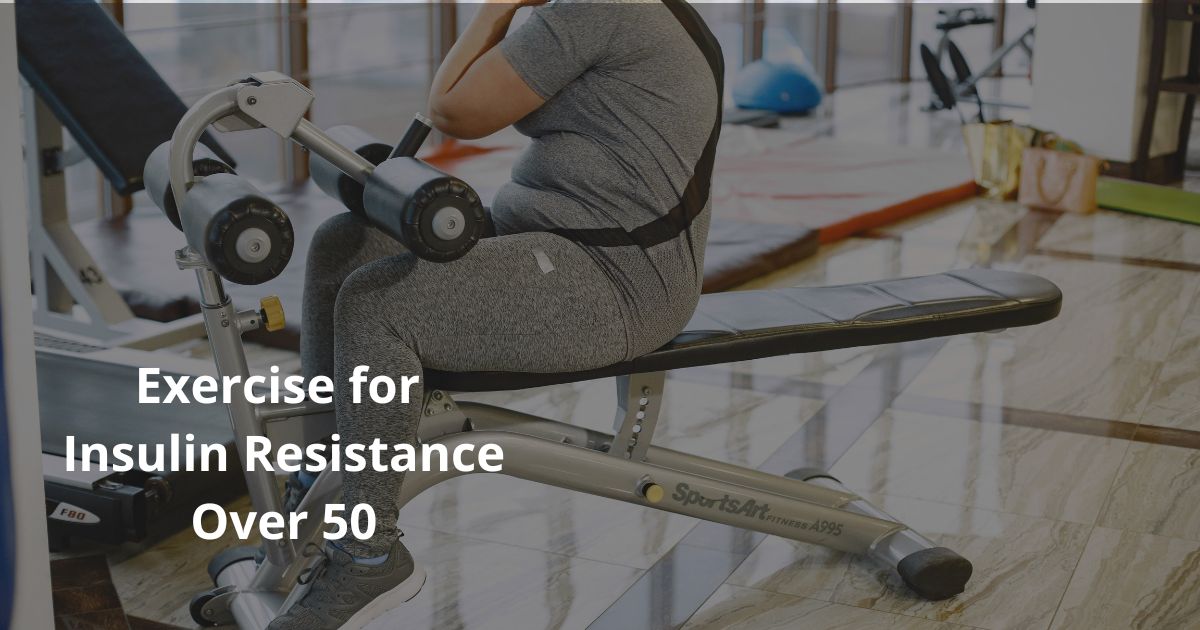
2. Build Muscle
Muscle improves insulin sensitivity and helps your body use glucose more effectively.
👉 Strength training is especially valuable after 50.
3. Move Regularly
Daily movement—walking, stretching, or light exercise—helps regulate blood sugar and insulin levels.
4. Improve Sleep
Poor sleep can worsen insulin resistance and increase hunger hormones.
5. Manage Stress
Chronic stress can contribute to hormonal imbalance and fat storage.
A Shift in Perspective
Instead of focusing only on calories, it helps to focus on:
👉 how your body processes and stores energy
When insulin levels improve, fat loss often becomes easier.
Final Thoughts
Stubborn belly fat after 50 is not just about willpower or discipline.
In many cases, it reflects underlying changes in how your body responds to insulin.
Understanding this connection gives you a more effective—and realistic—way forward.
This article is for educational purposes only and is based on current research in metabolic health and aging