
If you've been eating what you thought were healthy foods but your blood sugar still isn't improving, you're not imagining it.
After 50, your body responds differently to carbohydrates. Hormonal changes, reduced muscle mass, and increasing insulin resistance can all make it harder to keep blood sugar stable—even when you're trying to make good choices.
The encouraging news is that you don't need a complicated diet or expensive superfoods. Small changes to the foods you eat every day can make a meaningful difference in how your body responds to glucose.
In this guide, you'll discover the best foods for insulin resistance after 50, which foods are most likely to work against you, and simple ways to build meals that help keep your blood sugar steadier throughout the day.
Quick Summary
- After 50, insulin resistance can make blood sugar harder to control, even when you think you're eating healthy.
- Focus each meal around protein, healthy fats, and high-fiber foods to help reduce blood sugar spikes.
- Choose non-starchy vegetables, legumes, nuts, seeds, and whole grains more often than refined carbohydrates.
- Limit sugary drinks, refined grains, ultra-processed foods, and hidden sugars that can worsen insulin resistance.
- Use a simple balanced plate method instead of following restrictive diets.
- Small, consistent food choices can improve insulin sensitivity and support better long-term metabolic health.

Why Food Choices Matter More After 50
After 50, several natural changes make it harder for your body to regulate blood sugar effectively. Muscle mass gradually declines, hormones shift, and your cells often become less responsive to insulin.
As a result, glucose stays in the bloodstream longer instead of moving efficiently into your cells, increasing the risk of insulin resistance over time.
Over time, even small dietary imbalances can contribute to:
- Higher fasting blood sugar
- Energy crashes after meals
- Increased fat storage, particularly around the abdomen
- Greater difficulty maintaining a healthy weight
The good news is that the foods you choose every day can have a powerful impact on insulin sensitivity and long-term metabolic health.
Continue learning:
- Why Blood Sugar Spikes After 50 (Even If You Eat Healthy Foods) — Learn why age-related changes make blood sugar harder to control and what you can do about it.
- How to Tell If You Have Insulin Resistance (Early Signs Most People Miss) — Discover the subtle warning signs that often appear years before diabetes develops.
The Best Foods to Improve Insulin Sensitivity
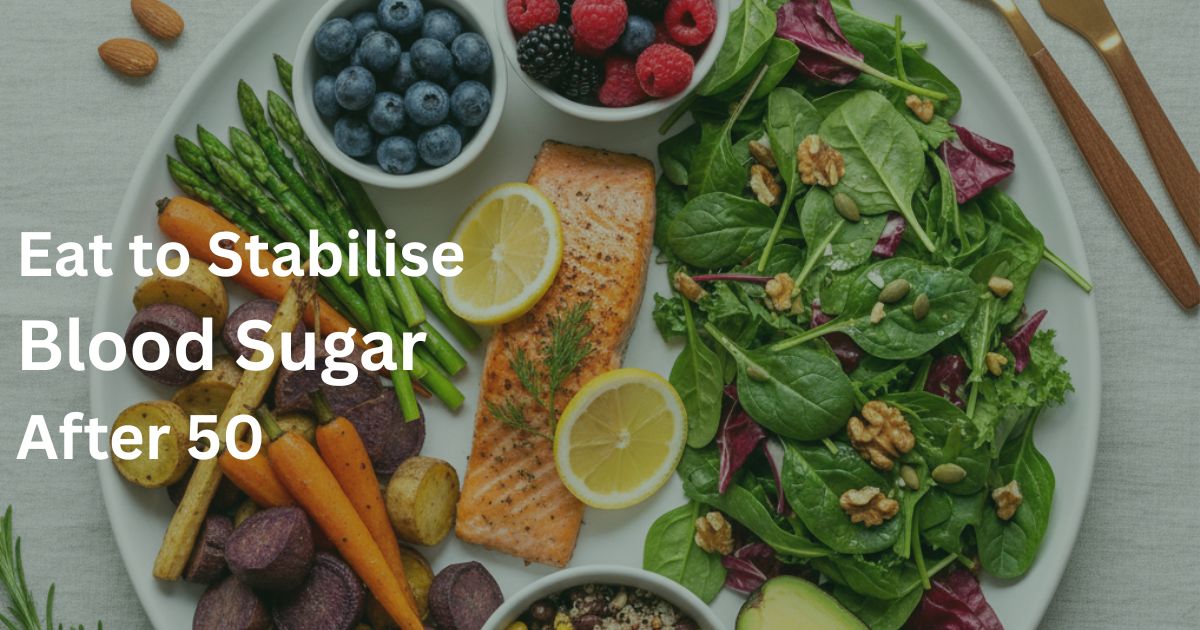
The best foods for insulin resistance have one thing in common—they help keep your blood sugar steadier after meals while supporting long-term metabolic health.
Instead of focusing on restrictive diets, build your meals around these four food groups. Together, they help slow glucose release, reduce inflammation, and support healthy insulin sensitivity.
Leafy Greens and Non-Starchy Vegetables
These vegetables should form the foundation of most meals because they're naturally low in carbohydrates, high in fiber, and packed with vitamins, minerals, and antioxidants.
Best choices:
- Spinach
- Broccoli
- Zucchini
- Kale
- Cauliflower
Why they help:
- Very low in sugar
- High in fiber
- Rich in magnesium, which supports normal insulin function
- Help you feel full without causing large blood sugar spikes
Healthy Fats That Stabilize Blood Sugar
Healthy fats slow digestion, helping glucose enter the bloodstream more gradually. They also increase satiety, making it easier to avoid unnecessary snacking between meals.
Best choices:
- Extra virgin olive oil
- Avocado
- Nuts (almonds, walnuts)
- Seeds (chia, flax, pumpkin)
Why they help:
-
- Slow glucose absorption
- Increase satiety
- Reduce cravings
- Support heart and metabolic health
Protein Sources That Reduce Blood Sugar Spikes
Protein is essential for maintaining steady blood sugar levels because it slows the absorption of carbohydrates and helps preserve muscle mass, which naturally declines with age.
Best choices:
- Eggs
- Fish (especially salmon and sardines)
- Chicken
- Plain Greek yogurt
- Tofu or legumes
Why they help:
- Slow carbohydrate absorption
- Reduce blood sugar spikes after meals
- Support muscle maintenance
- Keep you feeling satisfied for longer
High-Fiber Foods That Slow Glucose Release
Fiber is one of the most effective nutrients for improving blood sugar control. It slows digestion, nourishes beneficial gut bacteria, and helps your body respond more effectively to insulin.
Best choices:
- Lentils
- Chickpeas
- Oats (in moderation)
- Berries
- Whole grains (small portions)
Why they help:
- Slow glucose absorption
- Support gut health
- Promote steady energy levels
- Help regulate insulin response
Foods That Make Insulin Resistance Worse
Just as some foods support healthy blood sugar, others can quietly work against you. Many of the biggest culprits are highly processed foods that digest quickly, causing rapid blood sugar spikes and making your body work harder to produce insulin.
The goal isn't perfection—it's learning which foods to limit most of the time while building your meals around healthier choices.
Refined Carbohydrates
Refined carbohydrates are quickly broken down into glucose, causing rapid rises in blood sugar and insulin levels.
Common examples:
- White bread
- White rice
- Pastries
- Processed breakfast cereals
Why they can be a problem:
- Digest very quickly
- Trigger large blood sugar spikes
- Offer little fiber or nutritional value
- Can increase hunger again soon after eating
Hidden Sugars in "Healthy" Foods
Some foods marketed as healthy can contain surprisingly high amounts of added sugar, making them less blood sugar-friendly than they appear.
Watch out for:
- Fruit juices
- Smoothies high in fruit sugar
- Low-fat flavored yogurts
- Packaged "health bars"
Why they can be a problem:
- Often contain concentrated sugars
- Raise blood sugar quickly
- May be mistaken for healthy everyday choices.
Ultra-Processed Foods
Ultra-processed foods often combine refined carbohydrates, unhealthy fats, added sugars, and excess sodium in ways that encourage overeating and worsen insulin resistance over time.
Common examples:
- Packaged snack foods
- Fast food
- Processed meats
- Sugary desserts
Why they can be a problem:
- Promote inflammation
- Disrupt normal metabolism
- Encourage excess calorie intake
- Contribute to abdominal fat storage
Continue learning:
- Why Blood Sugar Spikes After 50 (Even If You Eat Healthy Foods) — Learn why seemingly healthy foods can still cause unexpected glucose spikes.
- Why Your Fasting Blood Sugar Is High in the Morning After 50 (And How to Lower It Naturally) — Learn why morning blood sugar often rises after 50 and discover practical ways to bring it back under better control.
The Simple Plate Method for Better Blood Sugar
Understanding what to eat is only half the picture. The next step is learning how to put those foods together into balanced meals that help keep your blood sugar steady throughout the day.
A simple approach is to build most meals using this plate method:
- ½ plate: Non-starchy vegetables
- ¼ plate: Lean protein
- ¼ plate: High-fiber carbohydrates or whole grains
- Add: Healthy fats such as olive oil, avocado, nuts, or seeds
This simple structure helps:
- Balance blood sugar levels
- Reduce glucose spikes after meals
- Keep you feeling satisfied for longer
- Support healthy insulin sensitivity
Here's one simple example of how you can put these ideas into practice.
- Breakfast: Greek yogurt topped with chia seeds and fresh berries.
- Lunch: Grilled chicken salad with olive oil dressing and plenty of colorful vegetables.
- Dinner: Baked salmon with steamed vegetables and a small serving of quinoa.
- Snack (if needed): A handful of nuts or two boiled eggs.
Continue learning: The Best Daily Routine to Improve Insulin Resistance After 50 — Discover simple daily habits that work together to improve insulin sensitivity and support healthier blood sugar levels.
The Bottom Line
Improving insulin resistance after 50 isn’t about strict dieting—it’s about making smarter, more balanced food choices.
By focusing on whole foods, fibre, protein, and healthy fats, you can stabilise your blood sugar, improve your energy levels, and support long-term health.
Small, consistent changes often lead to the biggest results.
Medical Disclaimer: This article is for educational purposes only and is not intended as medical advice. Always consult your healthcare provider before making significant changes to your diet, supplements, lifestyle, or treatment plan.
Frequently Asked Questions
What are the best foods for insulin resistance after 50?
The best choices are foods that provide protein, fiber, healthy fats, and slowly digested carbohydrates. Good options include non-starchy vegetables, eggs, fish, Greek yogurt, legumes, berries, nuts, seeds, avocado, and extra virgin olive oil.
Combining these foods in balanced meals can help slow glucose absorption and reduce sharp blood sugar spikes.
What should I eat for breakfast if I have insulin resistance?
A balanced breakfast should include protein, fiber, and healthy fats rather than mainly refined carbohydrates.
Examples include:
- Plain Greek yogurt with chia seeds and berries
- Eggs with vegetables and avocado
- Oatmeal with nuts, seeds, and a source of protein
- Cottage cheese with berries and walnuts
The best choice will also depend on how your individual blood sugar responds.
Are carbohydrates bad for insulin resistance?
Carbohydrates are not automatically bad. The type, portion size, and foods eaten with them all matter.
High-fiber carbohydrates such as lentils, chickpeas, oats, berries, and minimally processed whole grains usually affect blood sugar differently from white bread, pastries, sugary cereals, and other refined carbohydrates.
Pairing carbohydrates with protein, fiber, and healthy fats can also help reduce glucose spikes.
Which foods should I limit if I have insulin resistance?
Foods to limit most often include:
- Sugary drinks and fruit juices
- White bread and refined grains
- Pastries and sugary cereals
- Packaged snack foods
- Sweetened yogurts and health bars
- Other heavily processed foods high in added sugar
You do not need to eat perfectly. The goal is to make these foods occasional choices rather than the foundation of your diet.
Is fruit okay for insulin resistance?
Whole fruit can usually fit into a balanced diet because it contains fiber, water, vitamins, and antioxidants.
Berries are especially useful because they tend to be lower in sugar and higher in fiber than many other fruits. It may also help to eat fruit with protein or healthy fat, such as berries with Greek yogurt or an apple with nuts.
Fruit juice is different because much of the fiber has been removed, allowing the sugar to be absorbed more quickly.
Continue Learning
Why Blood Sugar Spikes After 50 (Even If You Eat Healthy Foods)
Learn why blood sugar becomes harder to control with age and discover practical ways to reduce unexpected glucose spikes.
Why Your Fasting Blood Sugar Is High in the Morning After 50 (And How to Lower It Naturally)
Understand why fasting blood sugar often rises overnight and what you can do to improve your morning readings.
The Best Daily Routine to Improve Insulin Resistance After 50
Discover simple daily habits that work together to improve insulin sensitivity and support healthier blood sugar levels.