Some mornings you wake up hungry and ready for breakfast. Other mornings, a cup of coffee seems like plenty until much later.
That can leave you wondering: does eating breakfast actually matter for your metabolism after 50—or is it perfectly fine to skip it?
Despite the old advice that breakfast is “the most important meal of the day,” eating in the morning does not magically switch on your metabolism. Your body uses energy throughout the day and night, whether or not you eat breakfast.
But breakfast can still be useful. A nutritious morning meal—particularly one that provides enough protein and fiber—can help support muscle maintenance, steady energy, appetite control, and blood sugar management.
After 50, the better question is not simply “Should I eat breakfast?” It is “What eating pattern helps me meet my nutritional needs and feel my best?” Let’s look at what the research tells us.
Quick Summary
-
Breakfast does not automatically increase your metabolism.
-
The thermic effect of food occurs whenever you eat, not only at breakfast.
-
A protein-rich breakfast can help support muscle maintenance after 50.
-
Some people find that eating breakfast helps with appetite and blood sugar management.
-
Skipping breakfast is not necessarily harmful if your overall nutrition remains adequate.
-
What you eat and your overall dietary pattern matter more than simply whether you eat breakfast.

What Happens to Metabolism After 50?
Several changes can affect metabolic health and energy needs as we age.
Adults can gradually lose muscle mass, particularly when strength training and physical activity decline. Because muscle tissue uses more energy than fat tissue, losing muscle can contribute to lower daily energy needs over time.
Changes in activity levels, body composition, hormones, and overall health can also influence how the body uses and stores energy. But turning 50 does not suddenly cause your metabolism to slow dramatically.
Maintaining muscle through regular resistance exercise, staying physically active, and eating adequate protein are among the most practical ways to support metabolic health as you get older.
Continue learning: Does Metabolism Really Slow Down Every Year After 50?
Does Eating Breakfast Directly Boost Metabolism?
One of the most common metabolism myths is that breakfast “starts” or “activates” your metabolism.
In reality, your metabolism is active around the clock. Your body continues to use energy while you sleep—breathing, circulating blood, repairing tissues, and carrying out countless other essential functions.
Eating does temporarily increase energy expenditure because your body uses energy to digest, absorb, and process nutrients. This is known as the thermic effect of food.
But this effect occurs whenever you eat. Breakfast does not have a unique ability to switch on your metabolism simply because it is the first meal of the day.
Breakfast does not turn on your metabolism. Its real value depends more on what you eat and how that meal fits into your overall nutrition.
How Breakfast May Support Metabolic Health After 50
Breakfast does not need to “boost” your metabolism to be useful. For some adults over 50, a nutritious morning meal can support metabolic health in more practical ways—by helping meet protein needs, manage appetite, and support steadier blood sugar.
It Can Help You Meet Your Protein Needs
Many adults eat relatively little protein early in the day and consume much more at dinner. Including a meaningful source of protein at breakfast can make it easier to reach your overall daily protein needs and spread your intake across several meals.
This becomes increasingly useful after 50 because maintaining muscle helps support strength, mobility, and metabolic health as we age. Total daily protein intake and regular resistance exercise remain especially important for protecting muscle.
Good protein-rich breakfast options include:
- Eggs
- Greek yogurt
- Cottage cheese
- Protein smoothies
- Tofu scramble
- Smoked salmon
You don't need to eat breakfast simply to get more protein. But if breakfast is part of your routine, including a good source of protein can help you build a stronger overall eating pattern.
Continue learning: Why Protein Becomes More Important After 50 (For Metabolism, Muscle, Blood Sugar and Weight Control)
It May Help Control Hunger Later in the Day
For some people, eating a balanced breakfast can make it easier to manage hunger later in the day.
A breakfast containing protein and fiber tends to be more satisfying than one based mainly on refined carbohydrates. This can help some people feel fuller for longer and reduce the urge to snack between meals.
However, this response varies from person to person. Some people feel better and manage their appetite well without breakfast, while others find that skipping it leaves them excessively hungry later in the day.
The important point is to pay attention to your own appetite and eating patterns rather than assuming everyone needs the same meal schedule.
It May Support Better Blood Sugar Management
Breakfast can also influence how your blood sugar responds throughout the morning.
A meal built around protein, fiber, and healthy fats—rather than refined carbohydrates and added sugars—can generally produce a steadier blood sugar response and provide more sustained energy.
For people with insulin resistance or concerns about blood sugar, what you eat at breakfast can be more important than simply whether you eat breakfast.
Examples include eggs with vegetables, Greek yogurt with berries and nuts, or a protein-rich smoothie with minimal added sugar.
Individual responses to breakfast and meal timing vary, so people managing diabetes or taking glucose-lowering medication should discuss significant dietary or meal-timing changes with their healthcare provider.
Is Skipping Breakfast Bad After 50?
Not necessarily.
Some adults naturally prefer eating later in the day and feel perfectly well doing so. Others follow a time-restricted eating or intermittent fasting pattern that includes skipping breakfast.
Research on breakfast and health is more nuanced than simply labeling breakfast as “good” and skipping it as “bad.” Your overall diet quality, protein and nutrient intake, physical activity, muscle maintenance, and eating pattern all contribute to long-term metabolic health.
What matters is how skipping breakfast affects you.
If skipping breakfast leaves you tired, excessively hungry, or more likely to make less nutritious food choices later in the day, eating breakfast could be helpful.
If you feel well without breakfast, maintain steady energy, and can comfortably meet your protein and other nutritional needs during the rest of the day, there may be no reason to force yourself to eat first thing in the morning.
The best breakfast routine is one that helps you meet your nutritional needs, supports your health, and is sustainable over time.
Continue learning: Does Meal Timing Affect Metabolism After 50?
What Makes a Metabolism-Friendly Breakfast?
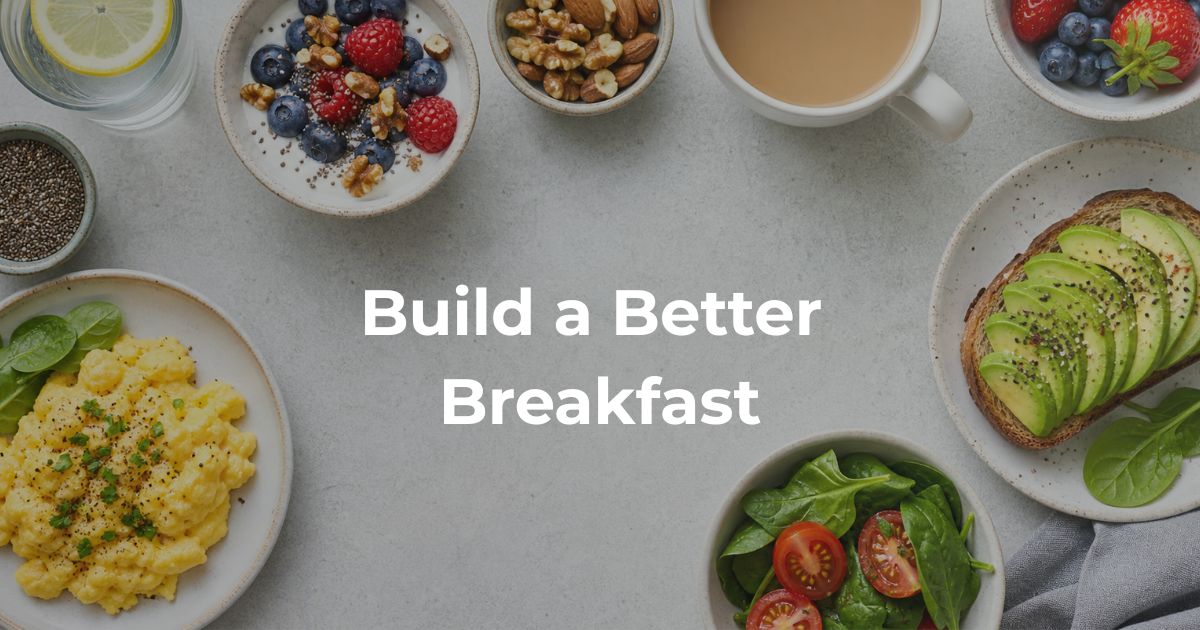
If you choose to eat breakfast, focus less on finding special “metabolism-boosting” foods and more on building a meal that provides protein, fiber, healthy fats, and minimally processed foods..
Include More Choose Less Often
Protein rich foods Sugary Cereals
Vegetables Sweet bakery products
Berries and fruit Sugar-sweetened drinks
Fibre-rich foods Patries
Healthy Fats Highly processed breakfast foods
You don't need every element at every breakfast. A simple combination of protein + a fiber-rich food + a source of healthy fat can make a satisfying, nutrient-rich meal.
Rather than trying to “speed up” your metabolism with a particular food, aim to build breakfasts that support muscle, steady energy, appetite control, and overall metabolic health.
Continue learning: Can Certain Foods Really Boost Metabolism After 50?
Simple Breakfast Ideas After 50
- Greek Yogurt Bowl: Greek yogurt topped with berries, nuts, and chia seeds provides protein, fiber, and healthy fats.
- Vegetable Omelet: Eggs with spinach, mushrooms, tomatoes, or other vegetables make a filling, nutrient-dense meal.
- Protein Smoothie: Blend protein powder with leafy greens, berries, and unsweetened milk for a convenient breakfast.
- Cottage Cheese and Fruit: Pair cottage cheese with berries or sliced fruit for a simple high-protein breakfast.
- Overnight Oats with Added Protein: Add Greek yogurt or protein powder to increase the protein content of traditional oats.
- Tofu Scramble: Tofu with vegetables provides a protein-rich plant-based alternative to eggs.
The Bottom Line
Breakfast does not switch on or boost your metabolism. But for many adults over 50, a nutritious breakfast can be a useful way to support protein intake, appetite control, blood sugar management, and overall diet quality.
Whether you eat breakfast or prefer your first meal later in the day, the fundamentals of metabolic health remain much the same: eat enough protein, choose mostly nutrient-dense foods, stay physically active, and protect your muscle as you age.
A healthy metabolism is supported by the pattern of choices you make over time—not by whether you eat one particular meal.
Continue learning: Why Strength Training Is One of the Best Ways to Boost Metabolism After 50
Medical Disclaimer: This article is for educational purposes only and is not intended as medical advice. Always consult your healthcare provider before making significant changes to your diet, supplements, lifestyle, or treatment plan.
Frequently Asked Questions
Does eating breakfast boost metabolism after 50?
Not directly. Your metabolism remains active throughout the day and night. Eating food temporarily increases energy expenditure through digestion and processing, but this happens whenever you eat—not only at breakfast. A nutritious breakfast can still support overall metabolic health by helping you meet your protein and nutritional needs.
Is it bad to skip breakfast after 50?
Not necessarily. Some adults feel better eating breakfast, while others prefer their first meal later in the day. What matters more is whether your overall eating pattern provides adequate protein and nutrients, supports steady energy, and works well for your health and lifestyle.
What is the best breakfast for metabolism after 50?
There is no single best breakfast. If you eat breakfast, aim for a balanced meal containing protein, fiber, and healthy fats. Good options include eggs with vegetables, Greek yogurt with berries and nuts, cottage cheese with fruit, or a protein-rich smoothie.
Can breakfast help with weight management after 50?
For some people, it can. A nutritious breakfast containing protein and fiber can help with fullness and appetite control, which can make healthy food choices easier later in the day. However, eating breakfast by itself does not guarantee weight loss.
Should people with insulin resistance eat breakfast?
There is no single breakfast schedule that works for everyone with insulin resistance. If you eat breakfast, choosing protein, fiber-rich foods, and healthy fats while limiting highly refined carbohydrates can help support a steadier blood sugar response. Individual needs vary, particularly for people taking glucose-lowering medication, so significant changes to meal timing should be discussed with a healthcare provider.